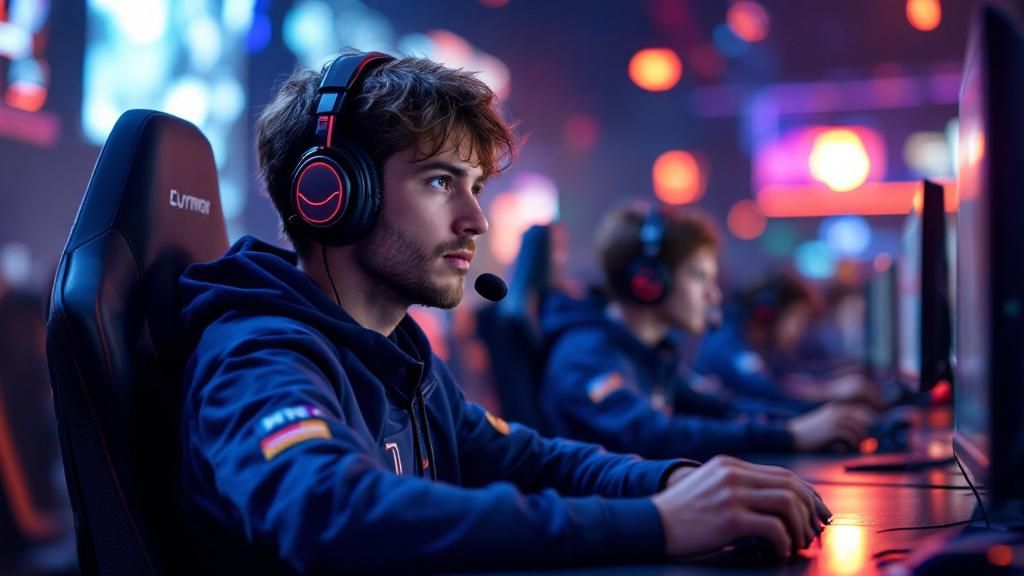

The esports industry has advanced substantially in championing competitor wellbeing. Prominent event operators have jointly unveiled a comprehensive player welfare standards framework, confronting established worries about mental wellbeing, labour conditions, and just treatment within professional gaming. This landmark initiative marks a pivotal moment for esports legitimacy, establishing baseline protections that could reshape how the industry operates. We analyse the framework’s key provisions, the organisations driving this change, and what it means for athletes and professional gaming in the future.
Industry-Wide Commitment to Responsible Gaming
The joint initiative between leading esports organisations marks a significant milestone for player protection within esports competition. This integrated system demonstrates the sector’s real dedication to developing enduring guidelines that emphasise player health alongside competitive excellence. By pooling resources and expertise, these organisations have developed detailed frameworks addressing physical health, emotional health, and occupational safety. The programme demonstrates increasing awareness that player welfare directly influences output standards and career longevity, making it essential for the sport’s credibility and growth.
Tournament organisers have confirmed that past requirements were fragmented and inconsistent, putting athletes at risk of abuse and fatigue. The new framework standardises expectations throughout leading tournaments, making certain each professional player gets fair consideration and availability of vital assistance. This integrated system removes unfair disparities resulting from differing safeguards and establishes a level playing field. Industry leaders emphasise that these standards represent minimum requirements, prompting entities to exceed baseline expectations and create truly caring settings where athletes can flourish both professionally and personally.
Essential Elements of the Social Support Framework
The newly established welfare framework comprises several interconnected pillars designed to protect player interests completely. These elements address mental wellbeing assistance, physical wellbeing, fair working conditions, and transparent dispute resolution processes. By bringing these provisions together, tournament organisers strive to establish an integrated system that recognises esports athletes as professional competitors entitled to robust protections. The framework sets essential standards that all affiliated tournaments are required to adopt, ensuring standardised player protections across the esports competitive sector.
Mental Wellbeing Assistance Programmes
Recognising the psychological pressures characteristic of esports at a professional level, the framework stipulates access to mental health professionals for all competing players. Tournament organisers should offer confidential therapy services, through direct delivery or collaborative arrangements with qualified mental health providers. Such services include stress reduction, anxiety management support, and emergency intervention services. Players receive access to trained psychologists who understand esports-specific challenges, including online abuse, severe competitive pressure, and career uncertainty.
The framework additionally stipulates tournaments to establish mental health awareness programmes and stigma-reduction efforts within the community. Organisers need to educate players, coaches, and staff about identifying mental health concerns and obtaining suitable assistance. Ongoing assessments and wellness monitoring systems help identify struggling players early, allowing early action before situations develop into severe mental health emergencies.
Physical Health Requirements
Tournament operators must implement comprehensive physical health standards addressing ergonomics, recovery intervals, and medical oversight. The framework requires proper seating, monitor positioning, and rest periods to minimise repetitive strain injuries frequently seen in esports professionals. Healthcare professionals must be present at significant events to address immediate medical concerns, whilst organisers are mandated to provide information about injury prevention and suitable medical facilities for long-term player development.
Environmental factors at tournament venues are now governed by strict standards maintaining player wellbeing and safety. Regulations address temperature control, lighting standards, and noise levels to create optimal competitive conditions. Additionally, the framework promotes players to complete routine medical evaluations and delivers guidance on diet, sleep hygiene, and exercise routines essential for sustained competitive excellence in esports.
- Ergonomic equipment assessments conducted by qualified specialists
- Mandatory rest periods between matches preventing player exhaustion
- Medical personnel on location available during all tournament proceedings
- Injury reduction training and rehabilitation service access
- Health monitoring programmes tracking athlete health throughout seasons
Implementation Timeline and Requirements
The framework will be implemented in three separate phases, beginning immediately with foundational reviews across participating organisations. Tournament operators have pledged to completing baseline audits of their present procedures by the end of the first quarter, identifying gaps between present frameworks and the new standards. This initial stage ensures a detailed evaluation of each organisation’s baseline position before making material alterations. Later stages will involve team training, policy updates, and the creation of autonomous monitoring systems to guarantee compliance and responsibility throughout the esports industry.
The standards themselves include mandatory provisions addressing mental health support, reasonable practice schedules, and transparent prize distribution protocols. Each organisation must designate a specialist player welfare representative tasked with handling grievances and maintaining compliance with guidelines. Routine inspections, performed by third-party bodies, will confirm adherence and pinpoint aspects needing enhancement. These extensive protections create quantifiable standards for player safeguarding, with enforcement mechanisms including financial penalties and possible competition restrictions for organisations unable to meet required standards.
Industry Reaction and Outlook Ahead
The declaration has received strong backing from stakeholders across the professional esports landscape. Players’ associations have commended the guidelines as a crucial development towards advancing the professional standards of the space, whilst team owners and commercial partners appreciate the opportunity for enhanced credibility and longevity. Gaming equipment manufacturers and streaming platforms have pledged to integrate welfare considerations into their day-to-day activities, demonstrating a unified resolve to comprehensive transformation. Early indications point to the fact that oversight organisations and state representatives view the guidelines positively, possibly opening the door to legislative recognition of professional esports as a recognised professional industry.
Looking ahead, sector analysts anticipate that this framework will function as a blueprint for worldwide implementation, with regional tournaments and grassroots events set to implement similar guidelines. The programme is expected to inspire continued dialogue regarding player compensation, career development pathways, and psychological support services. As esports continues its rapid expansion, these player protections constitute a crucial safeguard guaranteeing that competitive gaming remains sustainable, welcoming, and respectful for all participants, in turn strengthening the industry’s standing as a legitimate competitive sector.
